Call for a Free Consultation
919.444.4177
Call for a Free Consultation
919.444.4177Car crashes unfold in seconds, yet the emotional impact can last far longer. After a serious car accident, many people in Durham and across North Carolina find themselves asking, “Can you get PTSD from a car accident?” The answer is, yes.
Car accidents are one of the leading causes of Post-Traumatic Stress Disorder, and symptoms such as intrusive memories, avoidance, heightened alertness, or mood changes that last longer than a month may indicate PTSD connected to the incident. At Naomi Ellis Law, we see how these reactions can disrupt daily routines, strain relationships, and influence how emotional injuries are evaluated in a motor vehicle claim.
PTSD is a mental health condition that can develop after a person goes through a frightening or life-threatening event. According to MedlinePlus, exposure to a traumatic incident can lead to this disorder. A collision can trigger the fight-or-flight response, resulting in a surge of stress hormones, increased alertness, and rapid breathing. When this intense state does not settle in the following weeks, it can evolve into ongoing PTSD symptoms.
These reactions may interfere with daily tasks, sleep, driving, and overall functioning. In North Carolina, PTSD can be included in a car accident injury claim when it is clearly connected to the crash and supported by medical evaluations, therapy records, and consistent documentation.


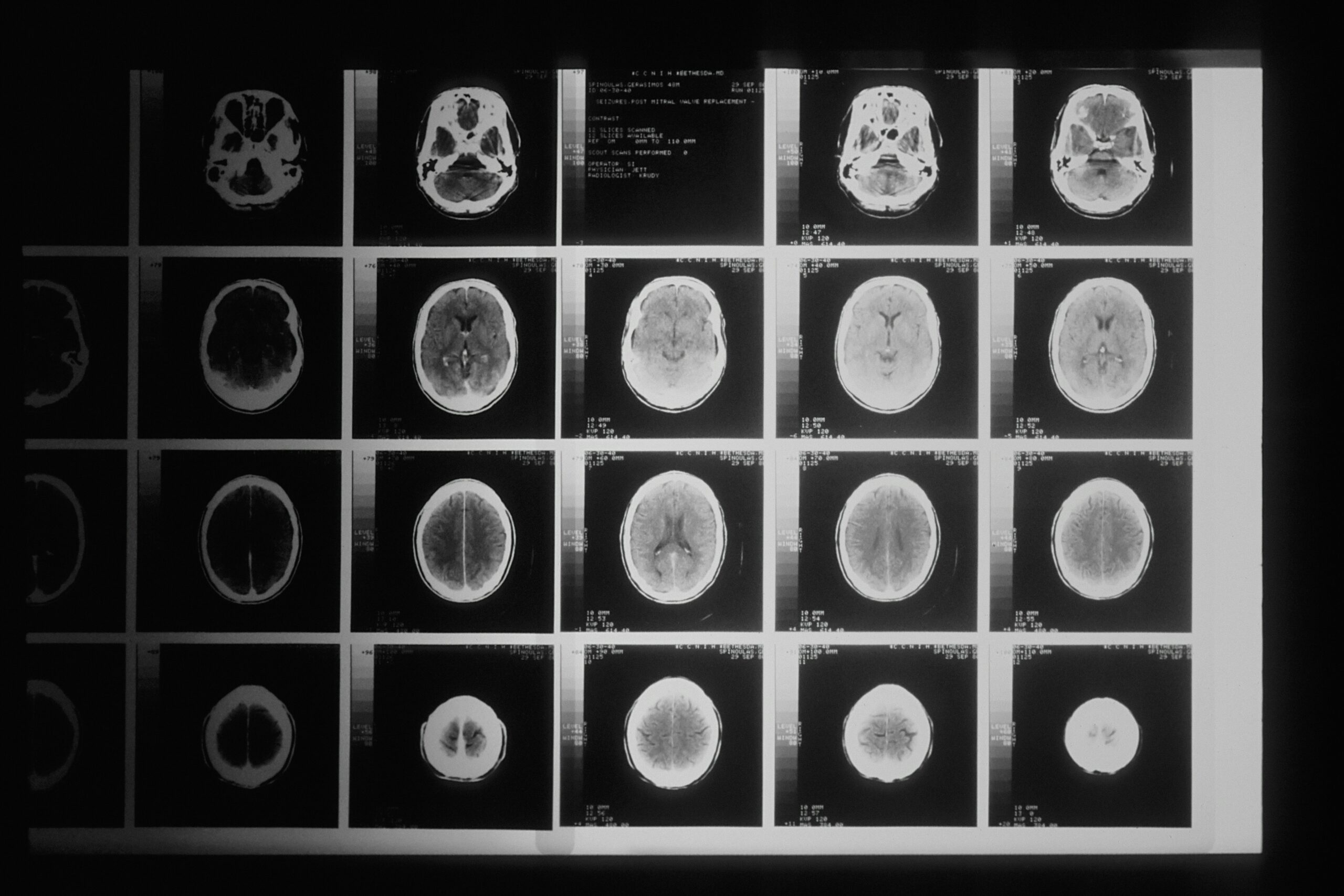
Post-traumatic stress disorder affects each person differently, often involving a mix of emotional, physical, and behavioral changes. According to the Mayo Clinic, PTSD may include flashbacks, nightmares, severe anxiety, intrusive thoughts, or strong distress when reminded of the crash. These symptoms can interfere with sleep, concentration, work, relationships, and even the ability to drive again.
Some people notice changes immediately, while others develop symptoms weeks later, with common warning signs including:
These patterns often indicate the emotional impact continues instead of fading on its own, which makes early identification essential. Mental health professionals diagnose PTSD through clinical assessments and conversations about how trauma interferes with daily functioning, and precise documentation of symptoms aids recovery while also bolstering injury claims when emotional harm becomes part of the case.
North Carolina personal injury law allows psychological conditions caused by car accidents to be included in an injury claim when they are supported by clear documentation. For PTSD, this usually involves medical records, therapy notes, or evaluations from licensed mental health professionals that show how the condition developed after the crash and how it affects daily life. This type of evidence helps establish damages related to pain, suffering, and emotional distress under North Carolina negligence principles.
Because North Carolina follows the contributory negligence rule, anyone found even slightly at fault for the collision may be prevented from recovering compensation. This makes it essential to present consistent and well-organized evidence of both the accident and the subsequent psychological symptoms. Clear documentation helps show how the collision led to your emotional injuries, which can make your claim stronger.
People coping with PTSD often benefit from a combination of psychotherapy, medication, and support from trained professionals. Treatment may include cognitive behavioral therapy, trauma-focused approaches, and techniques that help manage anxiety and improve daily functioning. These services support emotional recovery and also help document the severity of your psychological injuries if they become part of an injury claim.
Legal guidance can be equally important because PTSD claims require careful coordination between medical records, insurance documentation, and personal testimony. When we assist clients managing PTSD after a crash, we prioritize gathering strong evidence, helping you track symptoms, and ensuring your emotional injuries receive the same attention as your physical ones.
Many people coping with emotional stress after a collision start by asking, “Can you get PTSD from a car accident?” when symptoms like fear, disrupted sleep, or persistent anxiety start affecting their routines. As those symptoms continue, the next concern is how they might impact a potential injury claim. At Naomi Ellis Law, we help clients document these symptoms, coordinate evaluations, and understand how psychological injuries are considered in an injury claim.
If you are noticing signs of PTSD after a motor vehicle collision in Durham, call 919 444 4177 to schedule a free consultation and learn how we can support you during your recovery.
Attorney Naomi Ellis is a dedicated personal injury lawyer known for her tenacity, compassion, and client-first approach. After moving from Australia to the U.S. as a student-athlete, she earned her law degree with honors and gained valuable experience at top firms before founding Ellis Law. Naomi is committed to helping injured individuals reclaim their lives through skilled, personalized legal representation.
Tell us about your case and our attorneys will contact you promptly


Naomi is an excellent attorney. She is attentive, knowledgeable and compassionate. She went above and beyond, handling aspects I didn’t even know I needed. It’s nice to feel cared for in a situation that is otherwise setup for the opposite.
Naomi is an excellent attorney. She is attentive, knowledgeable and compassionate. She went above and beyond, handling aspects I didn’t even know I needed. It’s nice to feel cared for in a situation that is otherwise setup for the opposite.
Naomi is an excellent attorney. She is attentive, knowledgeable and compassionate. She went above and beyond, handling aspects I didn’t even know I needed. It’s nice to feel cared for in a situation that is otherwise setup for the opposite.
Naomi is an excellent attorney. She is attentive, knowledgeable and compassionate. She went above and beyond, handling aspects I didn’t even know I needed. It’s nice to feel cared for in a situation that is otherwise setup for the opposite.

This page has been written, edited, and reviewed by a team of legal writers following our comprehensive editorial guidelines. This page was approved by Founding Partner, Naomi Ellis who has more than 12 years of legal experience as a personal injury attorney.


All fields are requiered
or give us a call at


 Give us a call 919.444.4177