Call for a Free Consultation
919.444.4177
Call for a Free Consultation
919.444.4177You walk away from a car accident in Durham feeling fine. Then a few days later, your neck starts throbbing or a headache won’t quit. This isn’t unusual; your body floods with adrenaline during a crash, masking pain that emerges only after the shock wears off. These delayed symptoms after a car accident are more common than most people realize, and they can complicate both your recovery and your legal claim. That’s why at Naomi Ellis Law, we help clients understand the warning signs after a collision. Recognizing why symptoms appear later is essential for protecting both your health and the strength of your case on North Carolina roadways.
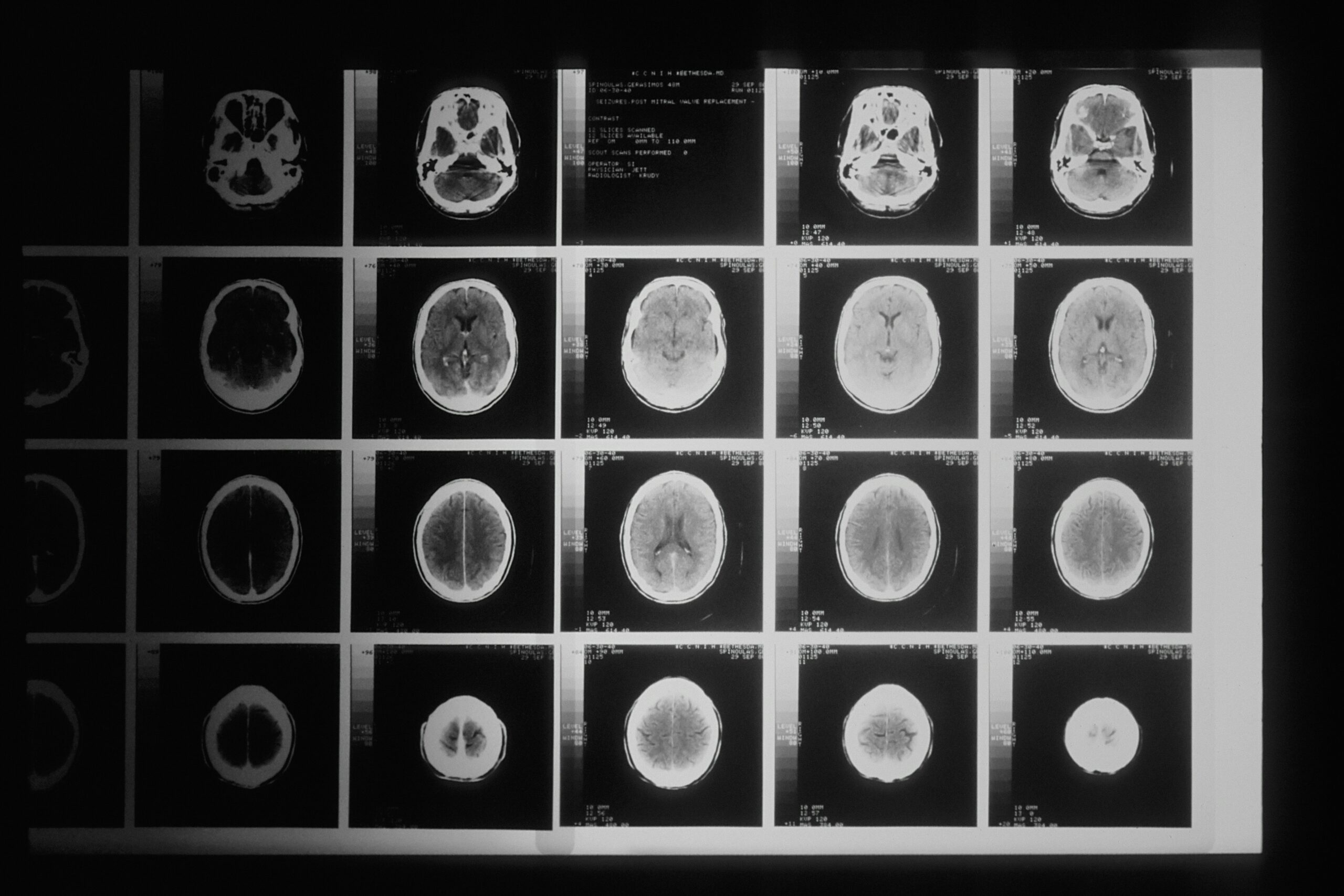
During a collision, the body produces adrenaline and cortisol, stress hormones that can hide discomfort for hours or even an entire day. Once these hormones subside, pain begins to surface in various forms. According to the American SPCC these delayed symptoms may involve headaches related to concussion, abdominal pain suggesting internal injury, numbness caused by nerve damage, or behavioral changes associated with potential brain trauma.
As inflammation builds in the hours following the crash, discomfort becomes more pronounced, which is why many people feel worse over the coming days and find these symptoms disrupting daily routines and influencing how insurers evaluate the impact of the collision.
Delayed symptoms are especially common, making early medical documentation critical for your case. Under N.C. Gen. Stat. § 1-52, you have three years to file a claim, even if pain appears later. However, waiting to seek care creates challenges. Insurers often argue delayed treatment worsened your condition, making prompt medical attention vital for protecting both your health and your claim.

Although every accident is different, certain injuries are well known for developing slowly. The most frequent include:
Experiencing any of these delayed symptoms after a car accident is a strong signal to seek prompt treatment and carefully track your condition.
When pain appears hours or days after the crash, take these steps to protect your health and your North Carolina claim:
Taking these steps supports both your recovery and your ability to pursue compensation.
Taking the right steps when delayed symptoms appear helps you protect your health and preserve your North Carolina claim. Because insurers often question injuries that develop later, clear medical records, careful communication, and early legal guidance make it easier to show how the crash caused your condition.
If your symptoms change or intensify, update your medical provider. These ongoing notes create a timeline that shows how the delayed symptoms after a car accident affect your work, mobility, and daily routine, all of which may be considered when evaluating your damages under state law.
When you begin experiencing delayed symptoms after a car accident, the most important thing you can do is act quickly to protect yourself medically and legally. At Naomi Ellis Law, we take the time to understand your injuries, gather the evidence you need, and guide you through each step of the claims process. Call 919 444 4177 to speak with our team and learn how we can help you move forward with confidence.
Attorney Naomi Ellis is a dedicated personal injury lawyer known for her tenacity, compassion, and client-first approach. After moving from Australia to the U.S. as a student-athlete, she earned her law degree with honors and gained valuable experience at top firms before founding Ellis Law. Naomi is committed to helping injured individuals reclaim their lives through skilled, personalized legal representation.
Tell us about your case and our attorneys will contact you promptly


Naomi is an excellent attorney. She is attentive, knowledgeable and compassionate. She went above and beyond, handling aspects I didn’t even know I needed. It’s nice to feel cared for in a situation that is otherwise setup for the opposite.
Naomi is an excellent attorney. She is attentive, knowledgeable and compassionate. She went above and beyond, handling aspects I didn’t even know I needed. It’s nice to feel cared for in a situation that is otherwise setup for the opposite.
Naomi is an excellent attorney. She is attentive, knowledgeable and compassionate. She went above and beyond, handling aspects I didn’t even know I needed. It’s nice to feel cared for in a situation that is otherwise setup for the opposite.
Naomi is an excellent attorney. She is attentive, knowledgeable and compassionate. She went above and beyond, handling aspects I didn’t even know I needed. It’s nice to feel cared for in a situation that is otherwise setup for the opposite.

This page has been written, edited, and reviewed by a team of legal writers following our comprehensive editorial guidelines. This page was approved by Founding Partner, Naomi Ellis who has more than 12 years of legal experience as a personal injury attorney.


All fields are requiered
or give us a call at


 Give us a call 919.444.4177