Call for a Free Consultation
919.444.4177
Call for a Free Consultation
919.444.4177A herniated disc after a car accident is one of the most painful and disruptive outcomes of a collision. The force of impact — even at relatively low speeds — can push the soft, gel-like center of a spinal disc through a tear in its outer layer, pressing against nearby nerves and triggering pain that radiates through your back, neck, arms, or legs. What makes these injuries especially difficult is that they do not always show up right away. You may walk away from a crash feeling sore but functional, only to find yourself unable to get out of bed a week later.
At Naomi Ellis Law, we have seen how a herniated disc can derail every part of a person’s life — from their ability to work and care for their family to their long-term financial stability. If you are dealing with a disc injury after a wreck in North Carolina, understanding your symptoms, your treatment options, and what drives the value of your claim can help you make informed decisions at every step.
Your spine consists of 33 vertebrae stacked on top of one another, with rubbery discs between each one acting as cushions. These discs have a tough outer shell (the annulus fibrosus) and a softer center (the nucleus pulposus). A herniated disc occurs when that outer shell cracks or tears and the inner material pushes outward, putting pressure on the spinal cord or surrounding nerve roots.
Car accidents are one of the most common causes of disc herniations because of the sudden, violent forces involved. Rear-end collisions, side-impact crashes, and head-on accidents all generate the kind of rapid acceleration and deceleration that compresses and twists the spine in ways it cannot handle. Motorcyclists, pedestrians, and bicyclists face an even greater risk of disc injuries because they lack the structural protection of a vehicle and are more likely to absorb the full force of impact directly through the spine. The cervical spine (neck) and lumbar spine (lower back) are particularly vulnerable because they bear the most movement and load during a crash.
One of the biggest challenges with a herniated disc car accident injury is that symptoms may not appear immediately. Adrenaline and inflammation can mask disc injuries for hours or even days after a collision. That is why it is so important to seek medical evaluation promptly — even if you feel “okay” at the scene.
Common symptoms include:
If you are experiencing any of these symptoms after a wreck, tell your doctor about the accident. You need to document the connection between your crash and your disc injury from the very beginning to protect your claim.
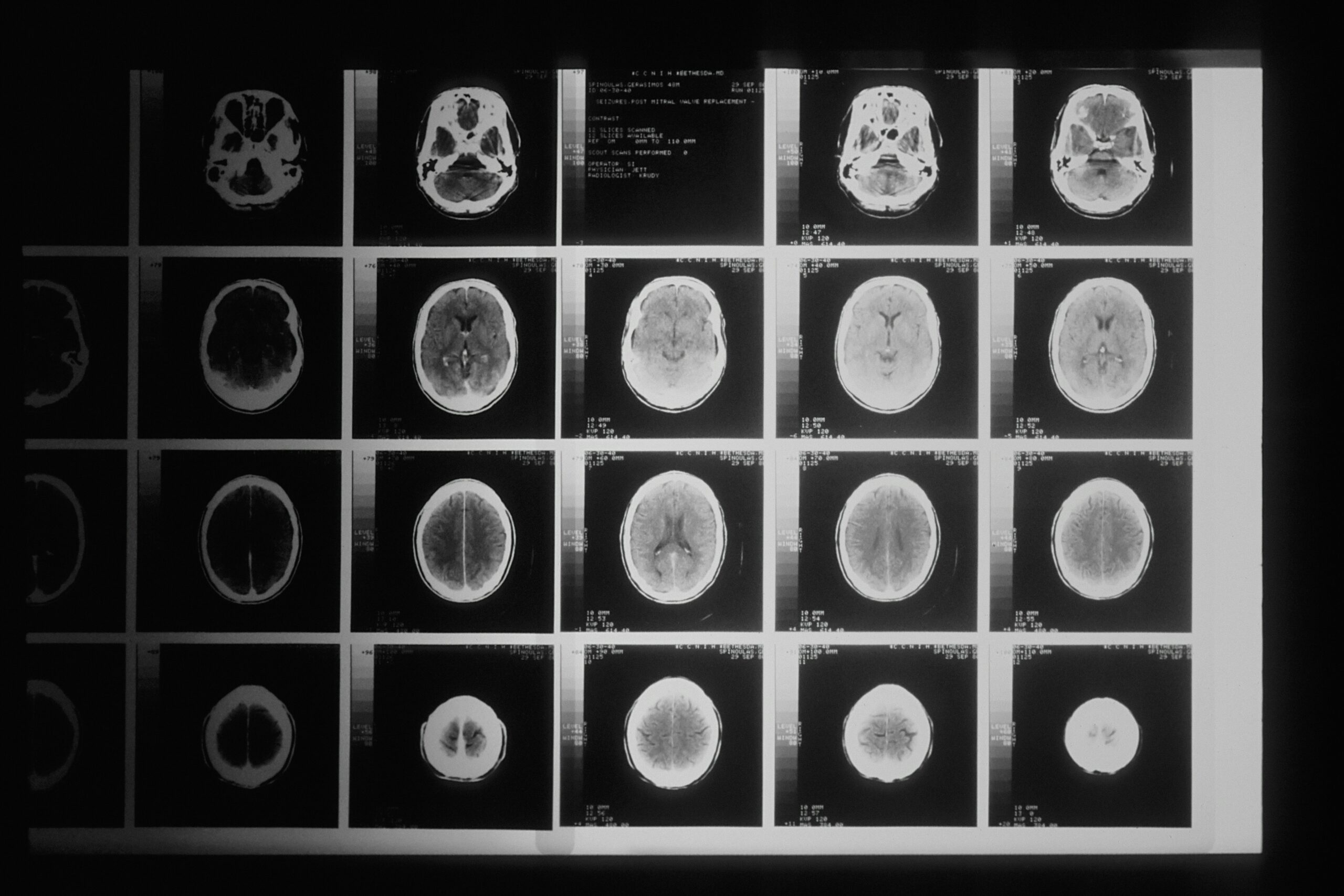
A doctor will typically begin with a physical examination testing your reflexes, muscle strength, sensation, and range of motion. From there, diagnostic imaging confirms the diagnosis and guides treatment decisions.
Treatment depends on the severity of the herniation and your response to conservative care.
The treatment path you follow has a direct impact on the value of your personal injury claim. Cases that require surgery typically result in significantly higher settlements because the medical costs are greater, the recovery period is longer, and permanent restrictions are more common.
There is no single number that applies to every herniated disc car accident case. The value of your claim depends on the specific facts — the severity of your injury, the treatment you need, how it affects your ability to work and live your daily life, and the available insurance coverage.
What matters most is your treatment path. Cases involving only conservative care — physical therapy, medication, and epidural injections — fall into a much lower settlement range than cases requiring surgery such as a discectomy or spinal fusion. Surgical cases command significantly higher settlements because the medical costs are greater, the recovery period is longer, and permanent restrictions are more common.
Beyond the treatment itself, several other factors drive the value of your claim:
Insurance companies routinely argue that a herniated disc was caused by degenerative disc disease, age-related wear, or a prior injury — not the car accident. This is one of the most common defenses in disc injury cases, and it can significantly reduce your settlement if you do not address it properly.
North Carolina law protects you through what is known as the Peculiar Susceptibility Doctrine. Under this doctrine, a defendant takes the plaintiff “as they find them.” If a car accident activates or aggravates a pre-existing condition — even one that was previously asymptomatic — the at-fault driver is responsible for the full extent of the resulting harm.
The key to using this protection is strong medical documentation that clearly distinguishes your pre-existing baseline from the new or worsened symptoms caused by the crash. An experienced attorney can work with your medical team to build the evidence you need to overcome this defense.
Under N.C. Gen. Stat. § 1-52(16), you have three years from the date of your injury to file a personal injury lawsuit in North Carolina. Do not assume you can wait until that deadline approaches — evidence disappears, witnesses forget details, and medical records become harder to connect to the accident over time. The sooner you contact an attorney, the stronger your case will be.
If you suspect you may have a disc injury after a crash, there are several things you can do right away to protect both your health and your legal rights. Keep in mind that North Carolina follows a pure contributory negligence rule — if the insurance company proves you were even 1% at fault, you could lose your right to compensation entirely. Working with an experienced car accident attorney from the start helps protect against these tactics.
Living with a herniated disc after a car accident can feel overwhelming — the pain is constant, the medical bills keep climbing, and you may not know whether you will ever feel like yourself again. At Naomi Ellis Law, we work with car accident victims across Pittsboro, Chatham County, Durham, Chapel Hill, and the surrounding communities to build strong claims grounded in North Carolina law.
Call 919-444-4177 for a free, no-obligation consultation.
Attorney Naomi Ellis is a dedicated personal injury lawyer known for her tenacity, compassion, and client-first approach. After moving from Australia to the U.S. as a student-athlete, she earned her law degree with honors and gained valuable experience at top firms before founding Ellis Law. Naomi is committed to helping injured individuals reclaim their lives through skilled, personalized legal representation.
Tell us about your case and our attorneys will contact you promptly


Naomi is an excellent attorney. She is attentive, knowledgeable and compassionate. She went above and beyond, handling aspects I didn’t even know I needed. It’s nice to feel cared for in a situation that is otherwise setup for the opposite.
Naomi is an excellent attorney. She is attentive, knowledgeable and compassionate. She went above and beyond, handling aspects I didn’t even know I needed. It’s nice to feel cared for in a situation that is otherwise setup for the opposite.
Naomi is an excellent attorney. She is attentive, knowledgeable and compassionate. She went above and beyond, handling aspects I didn’t even know I needed. It’s nice to feel cared for in a situation that is otherwise setup for the opposite.
Naomi is an excellent attorney. She is attentive, knowledgeable and compassionate. She went above and beyond, handling aspects I didn’t even know I needed. It’s nice to feel cared for in a situation that is otherwise setup for the opposite.

This page has been written, edited, and reviewed by a team of legal writers following our comprehensive editorial guidelines. This page was approved by Founding Partner, Naomi Ellis who has more than 12 years of legal experience as a personal injury attorney.



All fields are requiered
or give us a call at


 Give us a call 919.444.4177