Call for a Free Consultation
919.444.4177
Call for a Free Consultation
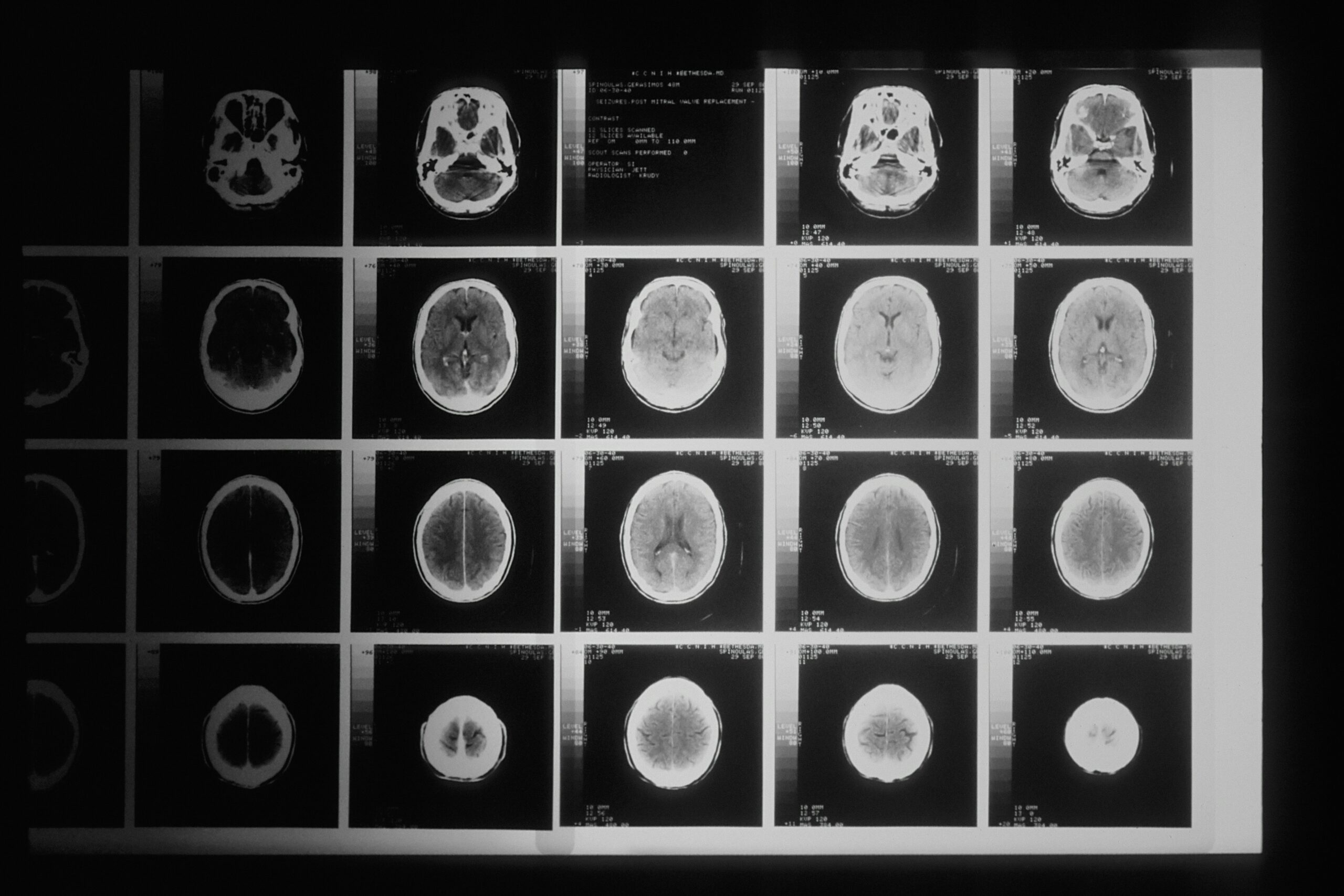
919.444.4177Life often feels unbalanced after a sudden traumatic event, especially when emotional strain lingers longer than expected. Disrupted sleep, difficulty concentrating, and loss of motivation commonly follow, even as visible injuries improve. For many drivers and passengers, these changes reflect depression after car accident trauma after crashes on I-85, I-40, or heavily traveled Durham and surrounding areas, especially once medical care, missed income, and daily disruption collide.
At Naomi Ellis Law, we help residents understand how emotional injuries affect car accident claims and guide families through the steps required to protect both mental health and financial recovery. Trauma frequently triggers depression, and North Carolina law allows compensation when a crash causes lasting psychological harm.
A serious collision can disrupt more than physical health, often affecting emotional stability throughout the recovery process. Ongoing pain, loss of independence, and uncertainty about work or finances place sustained pressure on mental well-being following a crash. Emotional strain may increase as daily routines change and recovery takes longer than expected.
Depression also commonly develops during prolonged stress. The American Psychiatric Association reports that nearly three in ten adults have received a depression diagnosis, with about eighteen percent experiencing depression in a given year. Reduced mobility, income disruption, and daily routine changes after a car accident can intensify emotional strain, showing how psychological harm may accompany extended physical recovery.
Emotional symptoms may surface gradually, sometimes weeks after a wreck. Survivors often expect physical healing to signal recovery, yet emotional health follows a different timeline. According to the Anxiety and Depression Association of America, trauma survivors frequently experience depression, anxiety, intrusive thoughts, sleep disruption, and fear related to reminders of the collision. These reactions reflect normal trauma responses rather than personal weakness.
North Carolina residents involved in car accidents describe loss of motivation, withdrawal from family, irritability, difficulty concentrating, or persistent sadness. Depression after car accident injuries interferes with treatment compliance, job performance, and daily decision-making. Early recognition supports both medical recovery and documentation for a car accident claim involving emotional damages.
Some post-crash reactions signal a need for prompt professional support when emotional distress begins to interfere with personal safety or daily stability, such as:
Timely medical attention protects mental health and creates clear documentation connecting depression after a car accident trauma to the crash, which supports a related injury claim.

North Carolina personal injury law recognizes emotional harm as part of non-economic damages, often described as pain and suffering. Psychological injuries may qualify when medical evidence links emotional symptoms directly to the collision, with treatment records, therapy notes, and prescribed medication helping demonstrate severity and duration.
Insurance companies often challenge emotional injury claims by pointing to preexisting conditions or unrelated stressors, which makes thorough documentation essential. Most car accident claims in North Carolina must be initiated within three years, although certain exceptions can shorten or alter this timeframe, making early evidence collection crucial. Emotional harm deserves the same careful evaluation as physical injuries, particularly when mental health challenges interfere with work capacity or long-term quality of life.
Effective treatment often involves a coordinated approach that includes therapy, medication, and lifestyle support. Cognitive behavioral therapy helps many crash survivors address trauma-related thought patterns, while antidepressant medication may support mood stability during recovery, particularly when chronic pain contributes to emotional strain. Support groups and trauma-informed counseling can further strengthen coping strategies and emotional resilience.
Consistent care supports emotional recovery and creates a clear treatment timeline connecting psychological harm to the collision. Breaks in treatment may slow healing and complicate a related injury claim. Durham residents often experience better outcomes when medical care and mental health support progress together after a serious crash.
Depression after a car accident is real trauma and it deserves recognition and accountability. Durham and across central North Carolina drivers and passengers should not face emotional harm alone while insurers downplay mental health impact. At Naomi Ellis Law, we help clients document depression and other crash-related symptoms including serious physical injuries that require medical treatment. Call 919 444 4177 to schedule a free consultation and discuss options for addressing emotional and physical harm together.
Attorney Naomi Ellis is a dedicated personal injury lawyer known for her tenacity, compassion, and client-first approach. After moving from Australia to the U.S. as a student-athlete, she earned her law degree with honors and gained valuable experience at top firms before founding Ellis Law. Naomi is committed to helping injured individuals reclaim their lives through skilled, personalized legal representation.
Tell us about your case and our attorneys will contact you promptly


Naomi is an excellent attorney. She is attentive, knowledgeable and compassionate. She went above and beyond, handling aspects I didn’t even know I needed. It’s nice to feel cared for in a situation that is otherwise setup for the opposite.
Naomi is an excellent attorney. She is attentive, knowledgeable and compassionate. She went above and beyond, handling aspects I didn’t even know I needed. It’s nice to feel cared for in a situation that is otherwise setup for the opposite.
Naomi is an excellent attorney. She is attentive, knowledgeable and compassionate. She went above and beyond, handling aspects I didn’t even know I needed. It’s nice to feel cared for in a situation that is otherwise setup for the opposite.
Naomi is an excellent attorney. She is attentive, knowledgeable and compassionate. She went above and beyond, handling aspects I didn’t even know I needed. It’s nice to feel cared for in a situation that is otherwise setup for the opposite.

This page has been written, edited, and reviewed by a team of legal writers following our comprehensive editorial guidelines. This page was approved by Founding Partner, Naomi Ellis who has more than 12 years of legal experience as a personal injury attorney.


All fields are requiered
or give us a call at


 Give us a call 919.444.4177