Call for a Free Consultation
919.444.4177
Call for a Free Consultation
919.444.4177A knee injury after a car accident that requires surgery is a serious, life-disrupting injury — not a minor inconvenience you’ll shake off in a few weeks. At Naomi Ellis Law, we represent car accident clients across Durham and the Triangle with surgically repaired knee injuries. We understand the medical treatment, recovery process, and long-term challenges these injuries can involve, and we know how to present those damages to the insurance company.
 What Kinds of Knee Injuries Happen in Car Accidents?
The knee is a complex joint of ligaments, cartilage, and bone. It takes the brunt of the impact when it strikes the dashboard, center console, or door panel during a crash. The most common knee injuries our clients face include:
Insurance adjusters are trained to look for objective markers of severity, and surgery is one of the clearest markers there is. A knee injury treated with rest and physical therapy tells a very different story than one repaired by an orthopedic surgeon. Surgery typically means:
North Carolina law recognizes an important distinction between objective and subjective injuries. Objective injuries are those that can be verified through observable medical evidence, such as diagnostic imaging, physical examination findings, or surgery. Subjective injuries, by contrast, rely primarily on a patient’s own description of symptoms, such as pain or stiffness.
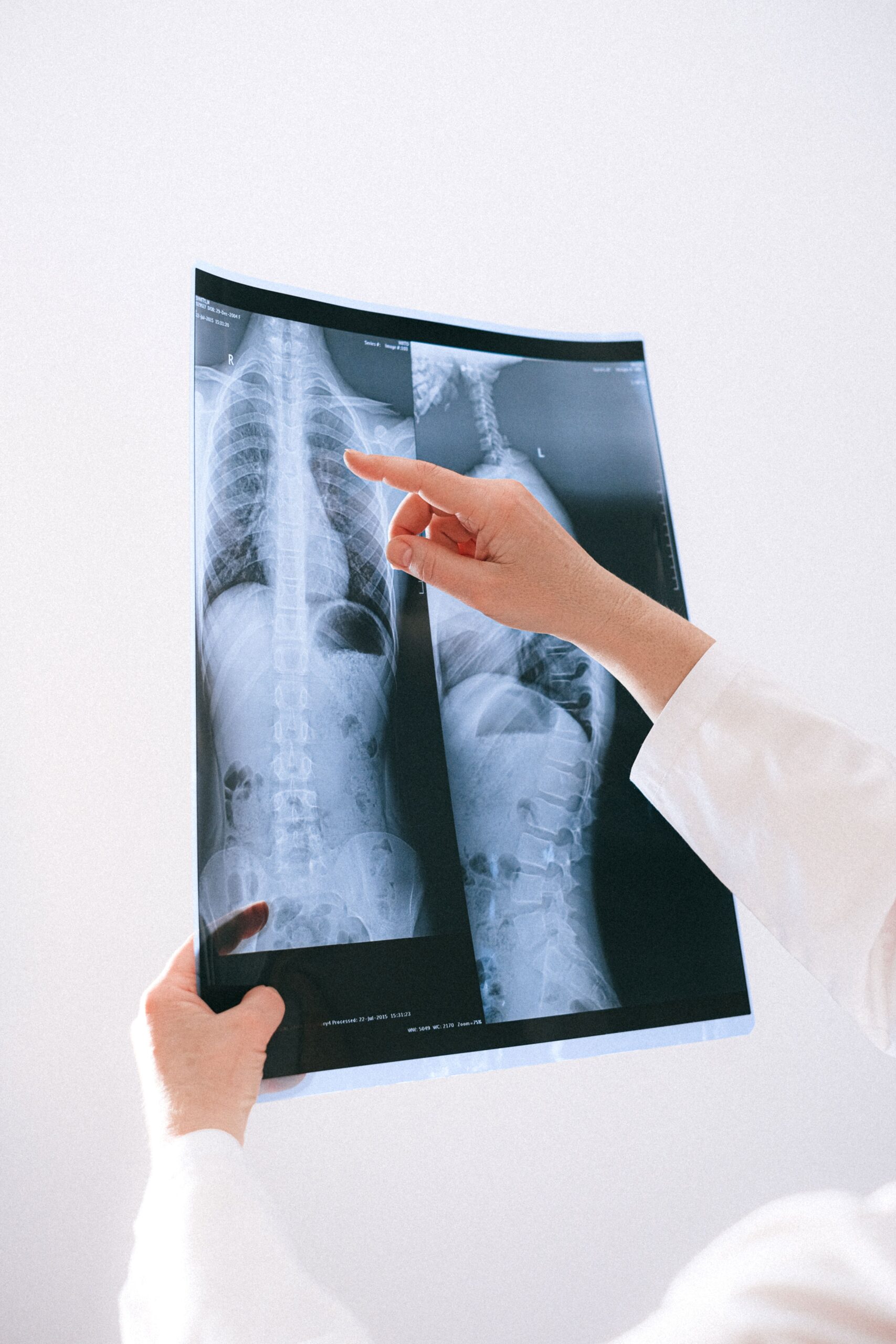
A torn ACL confirmed on MRI and repaired surgically is an objective injury. The MRI, operative report, surgical findings, and your orthopedic surgeon’s records all provide independent medical evidence of the injury. That objective evidence gives your claim a stronger evidentiary foundation than a claim based solely on complaints of pain.
That doesn’t mean your case runs on autopilot. Your medical providers must still relate the injury to the collision, explain the treatment you required, and address any permanent impairment or future medical needs. This information must then be presented to the insurance adjuster in a way that clearly demonstrates the full extent of your damages.
Once surgery enters the conversation, adjusters shift tactics. Common moves we see in knee injury claims include:
North Carolina generally gives you three years from the date of the accident to file a personal injury lawsuit. That deadline matters even more in knee injury cases, since surgery and recovery can take months. It’s easy to lose track of the clock while you’re focused on healing. North Carolina is also a contributory negligence state — even a small share of fault on your part can bar recovery entirely. That’s one more reason to get your claim evaluated early rather than waiting.
Source: N.C. Gen. Stat. § 1-52 — Statute of Limitations for Personal Injury Actions.
Recovering from a knee injury after a car accident changes your daily life for months, sometimes permanently. You shouldn’t have to fight the insurance company for a fair recovery on top of it. At Naomi Ellis Law, we build strong claims for car accident clients across Durham, Pittsboro, and the Triangle. Call 919-444-4177 for a free consultation.
This article is intended for general informational purposes and does not constitute legal advice. Every case is different. If you have been injured in North Carolina, contact a licensed personal injury attorney to discuss the specific facts of your situation.
Tell us about your case and our attorneys will contact you promptly


Naomi is an excellent attorney. She is attentive, knowledgeable and compassionate. She went above and beyond, handling aspects I didn’t even know I needed. It’s nice to feel cared for in a situation that is otherwise setup for the opposite.
Naomi is an excellent attorney. She is attentive, knowledgeable and compassionate. She went above and beyond, handling aspects I didn’t even know I needed. It’s nice to feel cared for in a situation that is otherwise setup for the opposite.
Naomi is an excellent attorney. She is attentive, knowledgeable and compassionate. She went above and beyond, handling aspects I didn’t even know I needed. It’s nice to feel cared for in a situation that is otherwise setup for the opposite.
Naomi is an excellent attorney. She is attentive, knowledgeable and compassionate. She went above and beyond, handling aspects I didn’t even know I needed. It’s nice to feel cared for in a situation that is otherwise setup for the opposite.

This page has been written, edited, and reviewed by a team of legal writers following our comprehensive editorial guidelines. This page was approved by Founding Partner, Naomi Ellis who has more than 12 years of legal experience as a personal injury attorney.

All fields are requiered
or give us a call at