Call for a Free Consultation
919.444.4177
Call for a Free Consultation
919.444.4177Is it legal to ride a bike without a helmet in North Carolina? The answer depends on your age, and it matters more than most riders realize. Riders under 16 are required by law to wear a helmet, but adults are not. Riding without one can still affect a personal injury claim, and insurance companies may attempt to use this argument.
At Naomi Ellis Law, we help injured cyclists in Durham and the surrounding areas understand how these laws apply to their situation and what it means for their recovery.
Many riders find themselves asking, “Is it legal to ride a bike without a helmet?” For adults in most states, helmet use is a personal choice, with requirements typically limited to younger riders under 16 or 18. North Carolina follows this approach; under N.C. Gen. Stat. § 20-171.9, parents and guardians must ensure riders under 16 wear a properly fitted and fastened helmet, but adults are not covered by this requirement.
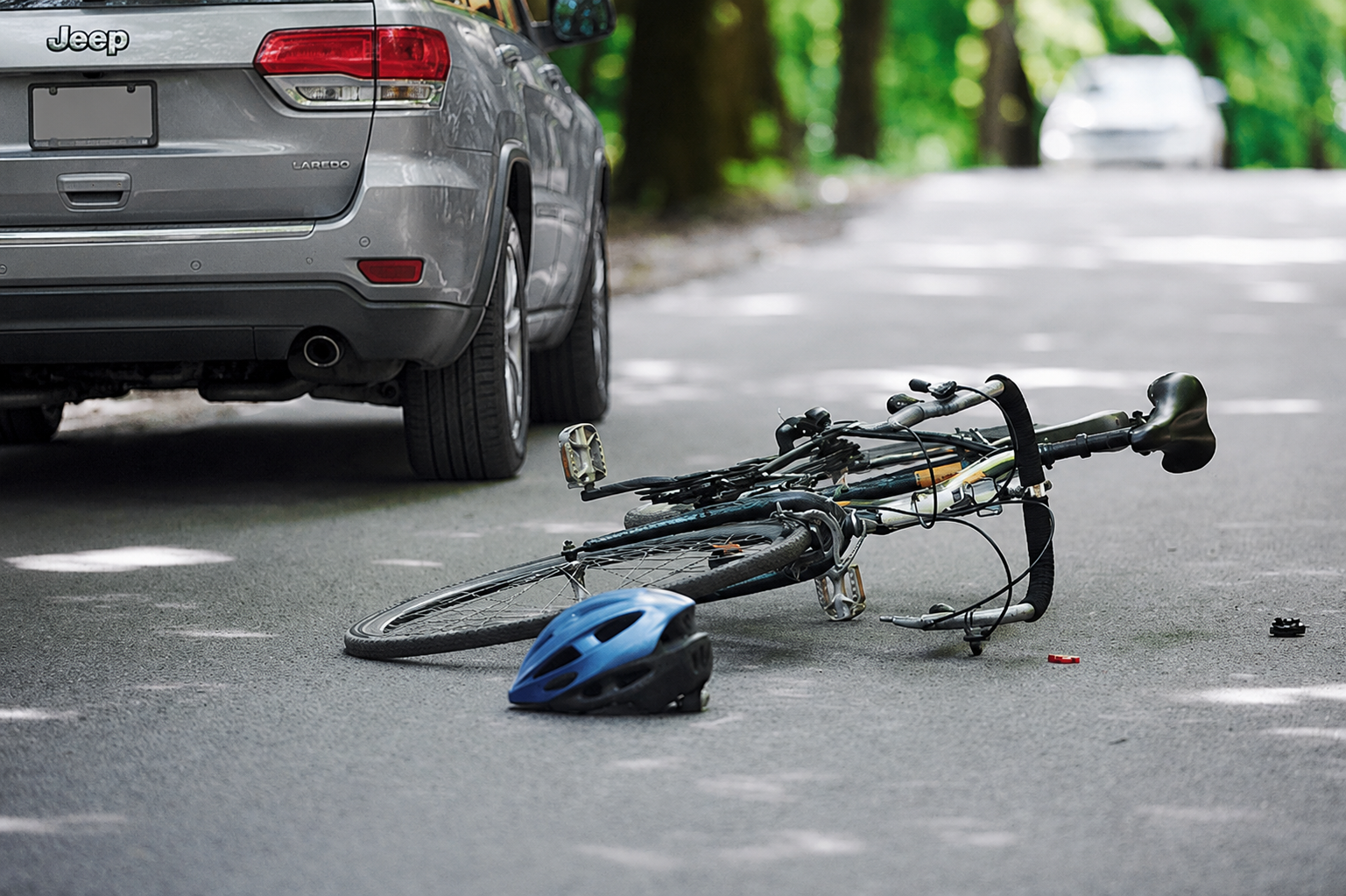
After a bicycle accident, helmet use can become a factor in how fault is assessed. Insurance companies may bring it up regardless of whether a rider was wearing one, which is why knowing the law early can protect your claim.
Helmet laws vary widely across the country. California, New York, and Pennsylvania require helmets for riders under 18, while states like Florida and Texas set the cutoff at 16. Most states, including North Carolina, only require helmets for younger riders and leave the choice to adults.
Regardless of where the law draws the line, choosing not to wear a helmet can still come up in a personal injury claim after a crash.
Most states, including North Carolina, Georgia, and Tennessee, do not require adults to wear helmets. Leaving the choice to the rider, however, does not eliminate the consequences after a crash.
Insurance companies may argue that riding without a helmet contributed to the severity of injuries, particularly in head trauma cases, and knowing how to counter that argument can make a real difference in a claim.
In North Carolina, riding a bike without a helmet carries no legal penalty for adults. The only penalty on the books applies to parents or guardians who allow a child under 16 to ride without one. The violation carries a civil fine, though courts often waive it when proof of helmet purchase is provided after the citation.
The consequences, however, do not stop at the law. According to the North Carolina Department of Transportation, helmets can prevent up to 60 percent of head injury deaths and reduce brain injury risk by as much as 88 percent. In a personal injury claim, these numbers can become part of how fault and injury severity are evaluated.
Taking the right steps after a crash can protect both your recovery and your claim. Here is what matters most:
Early legal guidance helps preserve evidence, manage insurer communications, and ensure your injuries are fully accounted for before any decisions are made.
Helmet use can directly influence the outcome of a bicycle accident claim. When a rider chooses not to wear one, insurers may attempt to link the injuries to that decision to reduce or deny compensation.
North Carolina’s contributory negligence rule makes this especially consequential. Even a small finding of fault can bar recovery entirely, making it critical to build a claim around clear evidence of the other party’s negligence from the start.
After a bicycle accident, uncertainty about whether it is legal to ride a bike without a helmet should not stand in the way of recovery. At Naomi Ellis Law, we work with injured cyclists across Durham and the surrounding areas to build strong claims grounded in North Carolina law. Call 919-444-4177 for a free consultation.
Attorney Naomi Ellis is a dedicated personal injury lawyer known for her tenacity, compassion, and client-first approach. After moving from Australia to the U.S. as a student-athlete, she earned her law degree with honors and gained valuable experience at top firms before founding Ellis Law. Naomi is committed to helping injured individuals reclaim their lives through skilled, personalized legal representation.
Tell us about your case and our attorneys will contact you promptly


Naomi is an excellent attorney. She is attentive, knowledgeable and compassionate. She went above and beyond, handling aspects I didn’t even know I needed. It’s nice to feel cared for in a situation that is otherwise setup for the opposite.
Naomi is an excellent attorney. She is attentive, knowledgeable and compassionate. She went above and beyond, handling aspects I didn’t even know I needed. It’s nice to feel cared for in a situation that is otherwise setup for the opposite.
Naomi is an excellent attorney. She is attentive, knowledgeable and compassionate. She went above and beyond, handling aspects I didn’t even know I needed. It’s nice to feel cared for in a situation that is otherwise setup for the opposite.
Naomi is an excellent attorney. She is attentive, knowledgeable and compassionate. She went above and beyond, handling aspects I didn’t even know I needed. It’s nice to feel cared for in a situation that is otherwise setup for the opposite.

This page has been written, edited, and reviewed by a team of legal writers following our comprehensive editorial guidelines. This page was approved by Founding Partner, Naomi Ellis who has more than 12 years of legal experience as a personal injury attorney.

All fields are requiered
or give us a call at


 Give us a call 919.444.4177